
🍓 How Frost Affects Strawberry Blossoms
Spring is an exciting time on a strawberry farm. The plants wake up from winter, fresh green leaves begin to grow, and small white blossoms appear across the field. Each of those blossoms holds the promise of a future strawberry.
But during early spring, one thing can threaten those delicate flowers: frost.
Understanding how frost affects strawberry blossoms helps explain why farmers pay such close attention to the weather during bloom season.
🌸 Every Blossom Is a Potential Strawberry
A strawberry begins as a small white flower with a yellow center. If that flower is healthy and properly pollinated, it develops into a berry.
Inside the center of the flower are many tiny reproductive parts. Each one contributes to forming the strawberry we eventually pick. If the flower is damaged before pollination or early fruit development, the berry may never form—or it may grow misshapen.
That’s why protecting blossoms is one of the most important parts of strawberry farming.
❄ What Happens During a Frost
Frost occurs when temperatures drop low enough for ice crystals to form on plant surfaces. Strawberry blossoms are especially vulnerable because they are exposed above the leaves.
When temperatures drop into the upper 20s or lower 30s, ice can form inside the flower tissue.
If the cold is severe enough, it can damage the reproductive center of the flower. When this happens, the blossom will no longer produce a healthy strawberry.
🔎 How Farmers Spot Frost Damage
A healthy strawberry blossom has a bright yellow center.
If frost damages the flower, the center often turns dark brown or black within a day or two. Farmers call this a “frost-killed blossom.”
Even though the petals may still look normal, that flower will no longer develop into fruit.
🧺 What Frost Means for the Harvest
When frost damages blossoms, it can lead to:
- Fewer strawberries later in the season
- Smaller harvests overall
- Shorter picking windows
Because each blossom equals one potential berry, losing flowers directly affects the number of strawberries available to pick.
🚜 How Farmers Protect Strawberry Plants
Strawberry farmers closely monitor weather forecasts during bloom season. When frost threatens, several protective methods may be used.
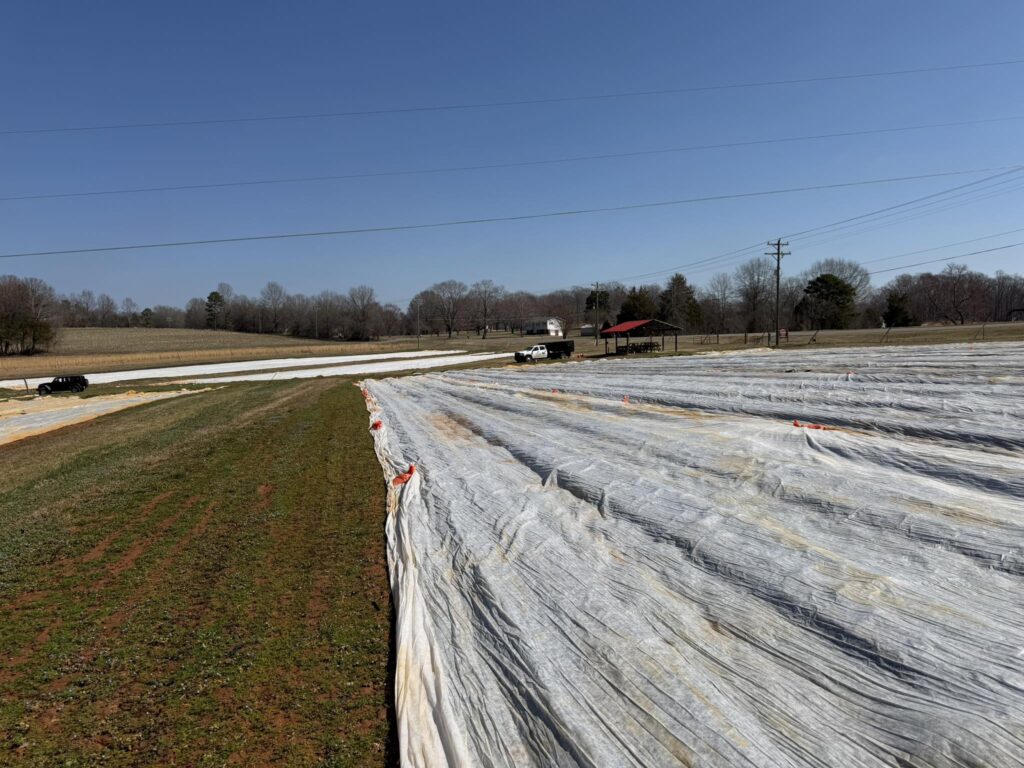
One common approach is row covers, which are lightweight fabric blankets placed over the plants. These covers trap heat from the soil and protect blossoms from freezing temperatures.
In some regions, farmers may also use overhead irrigation, which coats plants with a thin layer of water that freezes and helps maintain the plant temperature just above damaging levels.
These methods can make the difference between saving a crop and losing a large portion of it.
🌱 Farming and the Weather
Even with careful planning and protection, farming always involves a partnership with nature. Weather conditions can change quickly, and farmers often spend many spring nights watching forecasts and checking temperatures in the field.
When conditions are just right, those blossoms survive, pollination occurs, and the field begins filling with green berries that soon turn bright red.
🍓 A Small Miracle in Every Berry
The next time you pick a strawberry, remember it started as a delicate flower that survived weeks of unpredictable spring weather.
Behind every basket of fresh strawberries are countless blossoms, careful monitoring, and a little cooperation from the weather.
And when everything comes together, those blossoms turn into the sweet berries we all enjoy.