The Importance of Bees in Strawberry Farming
When you think about strawberries, you probably picture bright red berries, warm spring days, and time spent out in the field picking with family and friends.
But behind every strawberry is something small — and incredibly important.
Bees.
Without them, strawberry farming would look very different. During bloom season, when the fields are filled with white blossoms, bees are hard at work moving from flower to flower, quietly doing the job that allows each berry to form. It’s easy to overlook, but this stage is one of the most critical parts of the entire growing process. Without proper pollination, those blossoms may never turn into the full, sweet strawberries we all enjoy. In many ways, the success of the season depends just as much on the activity of these tiny pollinators as it does on the weather, the soil, and the care given to the plants. 🐝🍓
🌸 Every Strawberry Starts with a Flower
Before a strawberry becomes a berry, it begins as a delicate white blossom.
Inside that flower are many tiny structures that must be pollinated. Each one plays a role in forming the shape and size of the strawberry.
For a berry to develop properly, pollen needs to be transferred across the entire flower. And that’s where bees come in.
🐝 Why Bees Matter So Much
Bees are the most effective pollinators for strawberries. As they move from flower to flower collecting nectar, they transfer pollen without even realizing it.
This natural process directly impacts:
- Fruit size
- Shape and uniformity
- Overall yield
- Quality of the berries
A well-pollinated strawberry is typically:
- Larger
- More evenly shaped
- Sweeter and fuller
Poor pollination, on the other hand, can lead to:
- Misshapen berries
- Smaller fruit
- Lower yields
🍓 How Pollination Affects Yield
Each strawberry flower has many tiny “seeds” (called achenes) on the outside of the fruit. Each one develops from a pollinated part of the flower.
If some parts of the flower aren’t pollinated:
- That section of the berry won’t develop properly
- The fruit may appear lopsided or uneven
Multiply that across an entire field, and pollination can make a significant difference in how many high-quality berries are harvested.
In short:
👉 More effective pollination = more marketable strawberries
🌼 Supporting Pollinators on the Farm
Strawberry farms rely heavily on healthy pollinator populations.
Many farms take steps to support bees, including:
- Encouraging natural pollinator habitats
- Minimizing impact during bloom
- Monitoring field conditions during flowering
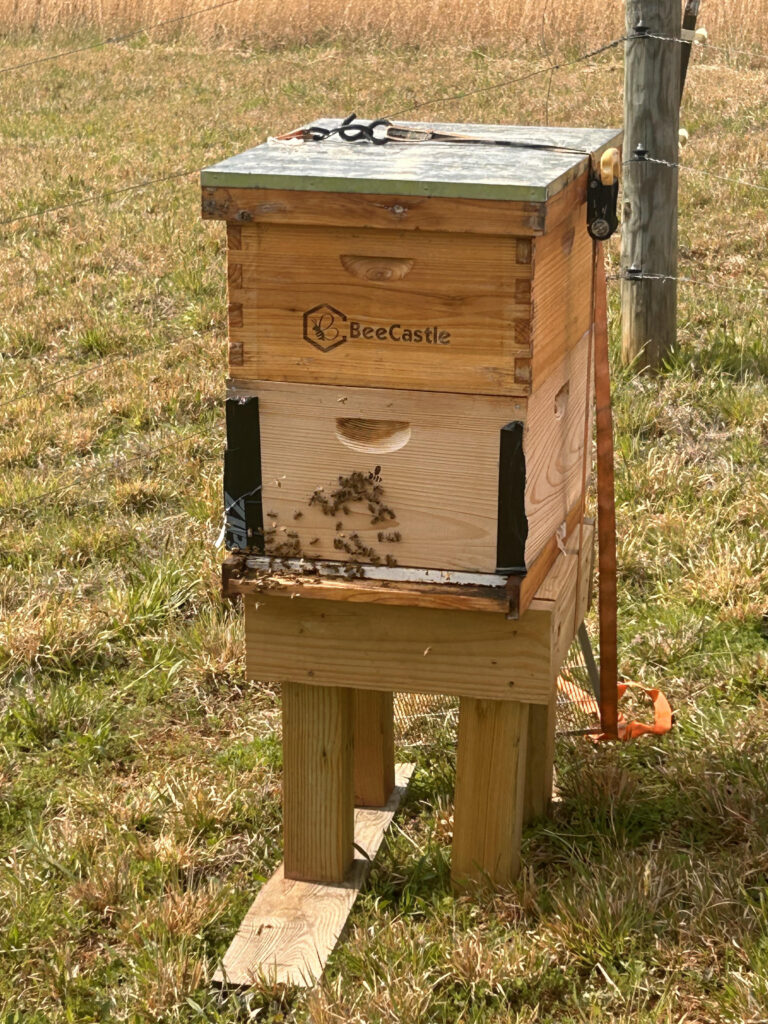
- Working alongside local beekeepers when needed
Bees are not just helpful — they’re essential.
❤️ A Partnership with Nature
Farming is full of partnerships, and one of the most important is the relationship between crops and pollinators.
Bees do their work quietly, moving from flower to flower, helping ensure that each blossom has the chance to become a full, healthy strawberry.
It’s something most people never see — but it’s happening all around the field during bloom season.
🍓 A Small Worker Behind Every Berry
The next time you pick a strawberry, take a moment to think about everything that went into it.
Sunlight, soil, water, careful planning — and a little help from thousands of busy bees.
Because without them, those fields wouldn’t look nearly as full.